Plastic Pollution Will More than Double by 2040, Yielding a Garbage Truck’s Worth of Waste Each Second


A Garbage Truck of Plastic Will Be Dumped Every Second by 2040 Unless We Act Now, Report Finds
An estimated 280 million metric tons of plastic waste will enter the air, water, soil, and human bodies every year by 2040, data shows

Plastic waste is set to more than double by 2040 under current projections of production.
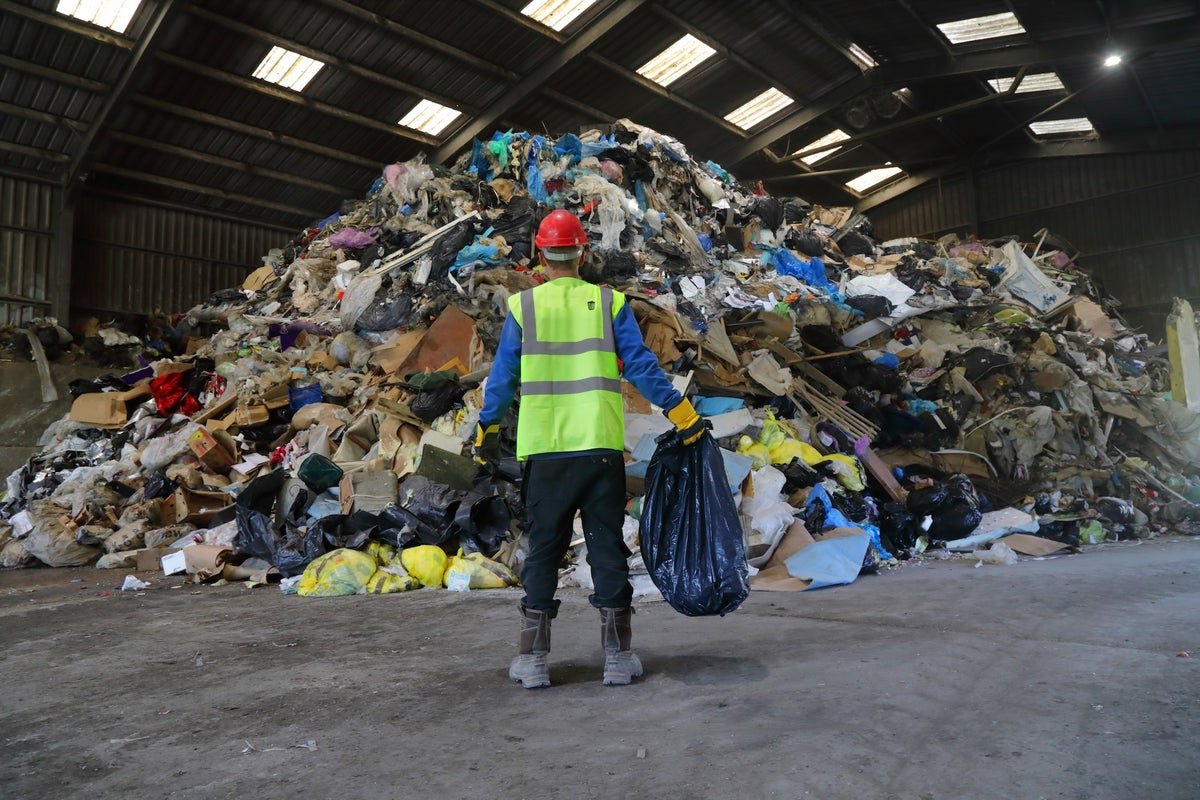
Right now, an estimated 130 million metric tons of plastic waste enters the air, water, soil, and human bodies every year. By 2040, that number will jump to 280 million metric tons—about a garbage truck’s worth every second, according to a new report from The Pew Charitable Trusts.
That estimate is higher than the group’s previous 2020 prediction, in large part thanks to new data that incorporates plastics used in construction, transportation and agriculture, not just packaging and textiles.
Scientists are increasingly clear on the environmental and health tolls of plastic, with tiny shreds of the material found in the most remote places on Earth and inside our brains. Chemicals used in plastics have been linked to cancer, cardiovascular disease and declining fertility, among other health issues. The health costs from those chemicals are likely reach $1.5 trillion globally, according to the Pew report.
On supporting science journalism
If you’re enjoying this article, consider supporting our award-winning journalism by subscribing. By purchasing a subscription you are helping to ensure the future of impactful stories about the discoveries and ideas shaping our world today.
Current estimates for plastic production would yield waste that would overwhelm existing management systems, the report found, especially as very little plastic is actually recycled.
The report comes months after a global effort to establish a treaty governing plastic production and waste collapsed, with the oil and gas and chemical industries pushing hard against limiting plastic production. Fossil fuel companies have sought to turn more of their products into plastic as the world shifts away from burning these fuels to limit global warming.
It’s Time to Stand Up for Science
If you enjoyed this article, I’d like to ask for your support. Scientific American has served as an advocate for science and industry for 180 years, and right now may be the most critical moment in that two-century history.
I’ve been a Scientific American subscriber since I was 12 years old, and it helped shape the way I look at the world. SciAm always educates and delights me, and inspires a sense of awe for our vast, beautiful universe. I hope it does that for you, too.
If you subscribe to Scientific American, you help ensure that our coverage is centered on meaningful research and discovery; that we have the resources to report on the decisions that threaten labs across the U.S.; and that we support both budding and working scientists at a time when the value of science itself too often goes unrecognized.
In return, you get essential news, captivating podcasts, brilliant infographics, can’t-miss newsletters, must-watch videos, challenging games, and the science world’s best writing and reporting. You can even gift someone a subscription.
There has never been a more important time for us to stand up and show why science matters. I hope you’ll support us in that mission.
Source link