
It’s been a crowded year for keenly anticipated novels, with new works from known quantities such as Marlon James, Rachel Cusk, and Hernan Diaz, to name just a few. But, by my lights, the one that has inspired the keenest feelings of them all is Chad Harbach’s “The Brightness.” It’s the sequel to “The Art of Fielding,” which was published in 2011 to critical acclaim and commercial triumph, and it takes place in the same setting—a liberal-arts college in Wisconsin—but treats readers to some new characters in a new era (complete with a Lana Del Rey cameo). I adored the excerpt I read in n+1, so I decided to call Harbach to ask him a few questions about the novel, its predecessor, and his influences.
Our conversation has been edited and condensed.
“The Art of Fielding” entered my consciousness in 2016, when I was a senior in college, and started dating a guy who loved it. What do you think a love for that book tells you about a person?
What did it say about this man? I mean, maybe he loved baseball. Maybe he loves love. Maybe he has a sensitive soul.
One thing that was amazing about the many different affectionate responses I received is the range of what readers responded to—some of which I had not even realized until it was reflected back to me. I remember one nice review of the book that basically said, You know what this book primarily is? It is a defense of the liberal-arts education. I had never thought of that, but it’s probably true. The utopian ideal of college is that it’s a place where you can really spend some time dabbling and figuring out who you are. That search for the self is something that I’m very interested in in my novel writing, and college is a fit place for it.
What sorts of books were you reading when you were working on “The Brightness”? Were there particular novels that really dwelled in your consciousness as you were writing?
One writer who is mentioned in the book is Edith Wharton—“The House of Mirth” comes up repeatedly. But I actually think the novel of hers that was most in my mind when I was writing was “The Custom of the Country.”
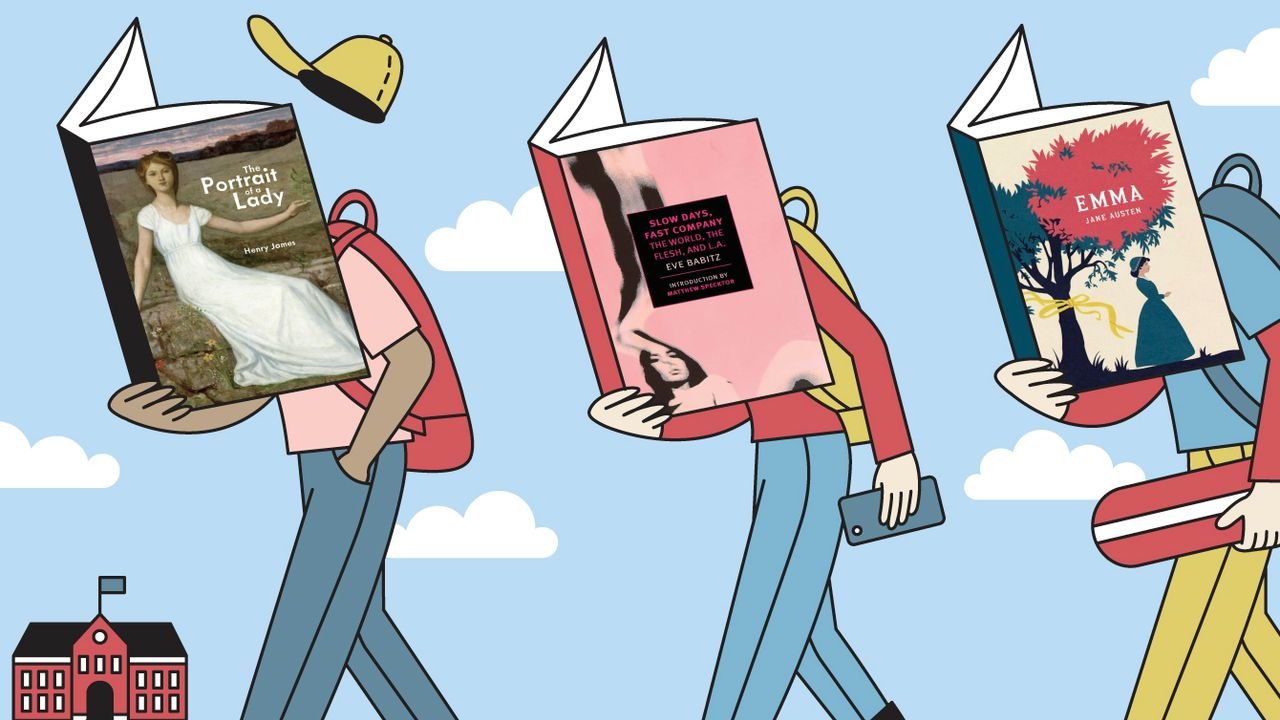
Jane Austen’s “Emma” also influenced me a great deal. The setup of that book is that Emma is so brilliant and so charismatic, but, also, just wrong about everything. She’s well-meaning, but her meddling is shaped by the fact that she’s deluded about many things. I think a bit of that mismatch really speaks to some of the events that happen in my novel.
And then, the third novel would be Henry James’s incredible “The Portrait of a Lady.” Which, of course, is about a young woman who has this great liberty and wide-open future before her—a grand vision of what may happen in her life—but for whom things close down in a really chilling way.
Source link