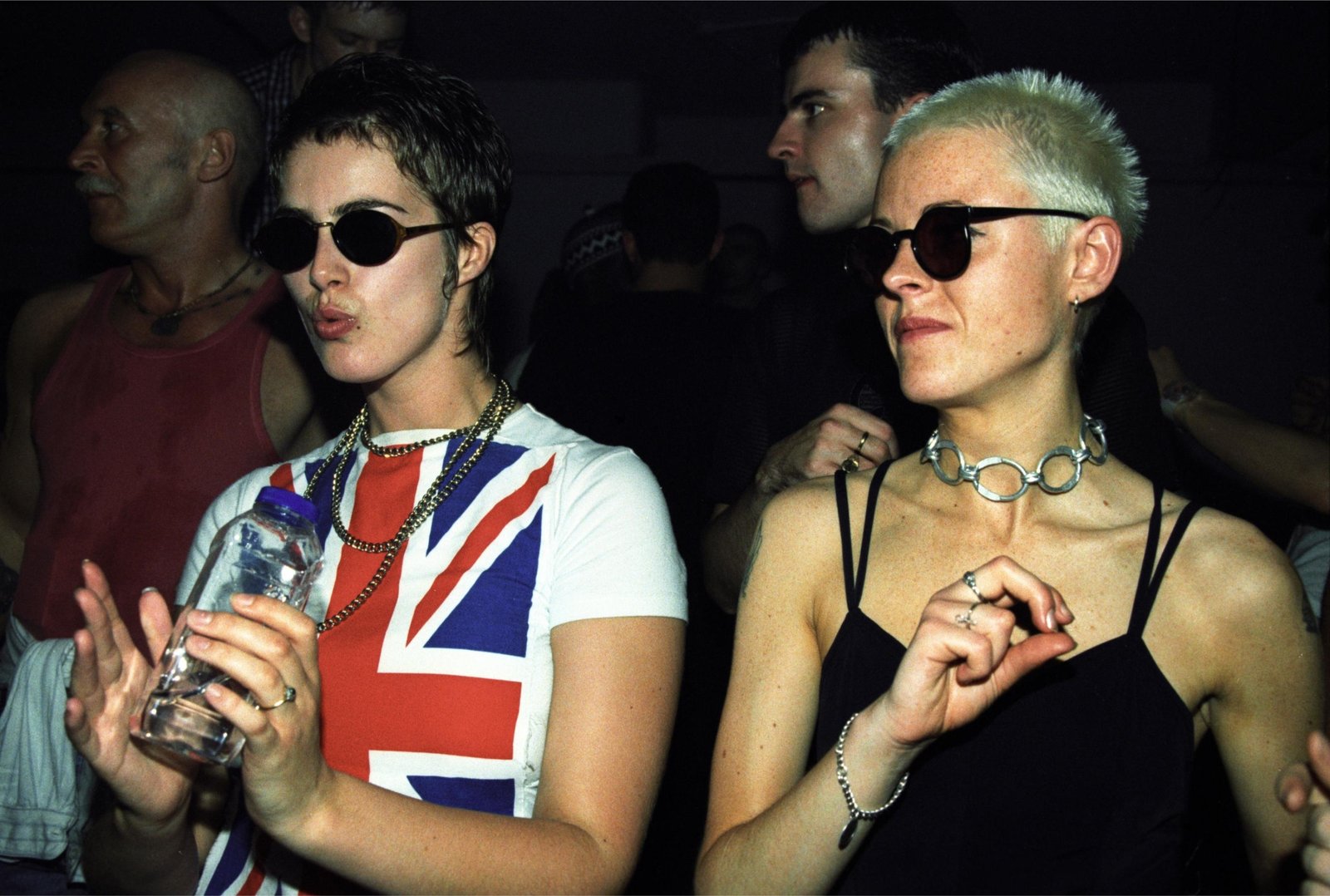

One word that sums up the 90s: energy. The worlds of art, music and fashion converged, and a fiercely independent mindset coursed through the veins of a generation craving change. Fresh ideas and new ways of doing things were born, and creativity crackled across the capital.
Magazines, clothing brands, club nights and record labels were forged on smoke-filled dancefloors (and at the afters), with party people inspired to become DJs, designers, producers, promoters, photographers, artists, writers, editors and more. If you had an idea but not enough money to top up your pay-as-you-go Nokia? Just do it – and figure out the details later.
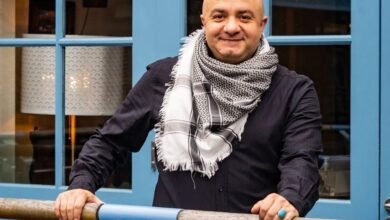
For Edward Enninful, who would later become the first black editor-in-chief of British Vogue, the era was where it all started: “What defined the 90s for me was not a single movement but an energy. A refusal of hierarchy, and a belief that new voices could, and should, be heard.”
72 Magazine, Autumn 2026
Rather than focus on the venues we’ve lost over the years (and there are many), we’re taking a look at the spaces that were gamechangers in the 90s – and are still going in 2026. That’s 30-plus years of blood, sweat and tears from the teams behind them. Memories made. Lives changed. And history created along the way.
The Dancefloors That Lit The Fuse
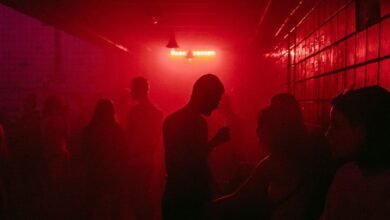
Before everyone started banging on about going to the gym and doing reformer pilates, in the 90s the dancefloor was the cardio workout of choice – the heat was so intense at legendary spots like The End, Bagley’s or the Astoria, it’d even turn Mr Motivator into a hot sweaty mess.
Heaven, Charing Cross
The labyrinthe-like Heaven was a rite of passage for the gay community (and remains so to this day). Back in the 90s, it was a place to be seen for a young Edward Enninful.
“It was a central meeting place for gay men, and it had a tough door policy, so there was a sense of having arrived if you made it on the dancefloor…The first time I got high was at Heaven. It was a microdot acid, and it made the whole room come alive with colour, sound and movement.” Edward Enninful – ‘A Visible Man.’

Thankfully, this was a time when cameraphones were still something from the future. “If there were phones, we’d all be cancelled!” Edward recently told Dazed Magazine.
Heaven was also home to Rage: the epochal event where DJs Grooverider and Fabio took the heft and swagger of Jamaican soundsystem culture and melded them with the futurism of Detroit and Belgian techno, acid house and sped-up breaks, providing the genesis for jungle music – the UK’s most significant musical invention since punk. The ripples spread far and wide: DJs Kemistry & Storm and Goldie were inspired to set up the Metalheadz label and the era-defining Blue Note events, which saw superstars like David Bowie, Björk and Noel Gallagher hanging out in Hoxton Square on Sunday evenings.
Ministry of Sound, Elephant and Castle

Currently celebrating its 35th birthday with a killer line-up of Moodymann, Kerri Chandler and Andy C, Ministry was one of the first super-clubs before the term even existed. DJ Smokin Jo was the first female resident DJ after building up a killer rep at Turnmills in Farringdon.
“Ministry of Sound was the first real super-club in the UK. It was the baby of Justin Berkmann who had been inspired by the legendary Paradise Garage in New York, and there was a huge buzz surrounding its opening in 1991. As far as I know I was the only woman playing there, certainly the only one with a residency.” Smokin Jo.

Jazz Cafe, Camden
With a 350-cap, the intimate Jazz Cafe took up residency in a former Barclays bank on Camden’s Parkway in 1990. It became the spot for hip-hop, R&B, jazz, funk and soul heads to hangout, including a then relatively unknown band from Philadelphia called The Roots who lived in Camden at the time.
History was made as drummer and filmmaker Questlove has since said: “The Jazz Cafe in London is where everything changed. Our first gig outside of the US when we got our record deal. My first international DJ gig. The place we called ‘home’ for four years and learned the tricks of the trade that we STILL use to this day.”
In recent times, it’s been renovated and reinvigorated by the Columbo Group with consistently good line-ups and events, and tables upstairs for decent food and an elevated view of returning faves The Roots, Peven Everett and Omar.

The Restaurants That Changed How We Eat
It’s easy to forget how different London’s food scene was in the 90s. It’s the decade that gave birth to Alan Yau’s Wagamama and helped turn Nando’s peri-peri chicken into a national obsession. A new generation of chefs and independent restaurants also changed the way we ate.
Quo Vadis, Soho
Soho was one big party in the 90s – and it seemed like it’d never end for some. Berwick Street was immortalised by Oasis on the front cover of ‘What’s The Story Morning Glory’, and on nearby Dean Street, celebrities and media darlings racked up big expense bills at the revamped Quo Vadis, where bad boy of the British art scene Damien Hirst’s vitrines of dead animals and intentionally provocative works provided the backdrop.
Hirst was later to have a fall out with then proprietor Marco Pierre White and move his artworks to Pharmacy in Notting Hill, which shuttered in the early noughties. Chef and restaurateur Mark Hix, a vital connector between the Young British Artists and the London food scene, would later have Hirst’s signature cow in formaldehyde as the centrepiece of his Tramshed restaurant in Shoreditch – but its novelty waned and it seemed stuck in a bygone era.
Quo Vadis has since flourished in the capable hands of the Hart Brothers and chef Jeremy Lee and remains a London institution.

Nobu, Mayfair
If there’s a restaurant that sums up the celebrity and excess of the 90s, look no further than Nobu. The first site outside of the US for chef Nobu Matsuhisa and business partner Robert De Niro, Nobu served up now-classic dishes like cod and black miso and rock tempura shrimp in a bougie setting at the Metropolitan Hotel. With debauchery pretty much guaranteed downstairs at the hotel’s Met Bar, it attracted a constellation of stars including Kate Moss, Naomi Campbell, the Spice Girls and the Beckhams.

St. John, Farringdon
Famed for his nose-to-tail ethos, chef Fergus Henderson, after a stint cooking up a storm with his wife Margot at Soho’s French House, was at the helm of St. John. Its bare, whitewashed walls and inventive British cooking singled it out as a spot worth travelling to Smithfield for and it had a huge influence on a young Jackson Boxer.
“St. John was probably the first grown up restaurant I went to when I was like 12, in the mid-90s, at its peak. It was full of the sexiest array of people. Everyone was smoking, everyone was drinking, everyone was chatting, everyone was living. It was this really exciting idea that restaurants are where the whole of London gathers together.” Jackson Boxer, Sept 2026.
Head there today, and while the area has transformed, things are relatively unchanged inside St. John. The roast bone marrow toast is still a classic order and is still buzzing with regulars.

Moro, Exmouth Market
After honing their cooking at the highly-vaunted River Café in Hammersmith (another big 90s hangout), husband and wife team Sam & Sam Clark were inspired by a road trip across north Africa and Spain to bring Moorish-inspired cooking to Exmouth Market.
These days London has world-class cuisine from every corner of the world – but when Moro opened in 1997, it was a revelation, and it’s kept the levels up ever since.
The Pub That Fuelled The Brit Art Scene
With a shared desire to shake up the art world, the Young British Artists (YBAs), including key figures Tracey Emin, Damien Hirst and Sarah Lucas, could regularly be found holding court at the likes of the Groucho Club and the Colony Room. Over in Spitalfields, a traditional boozer was an under the radar art scene fave.
The Golden Heart, Spitalfields
Mention ‘Sandra’ to anyone who has drunk around these parts over the years and they’ll know the drill: the Golden Heart’s landlady is a local legend. One of her biggest fans is one of her neighbours, Tracey Emin, who could regularly be seen having a few wines back in the day. In fact, the Golden Heart was quite the spot for artists in the 90s, with Sarah Lucas, Gilbert & George and the Chapman brothers among those who’ve leaned against the sticky bar.
Nowadays, you’re less likely to see Emin in residence, but pieces of her work are still dotted around the place – proof she’s still putting the art into the Golden Heart.
The 90s: Art & Fashion exhibition is at Tate Britain 8 October 2026 – 14 February 2027
Source link