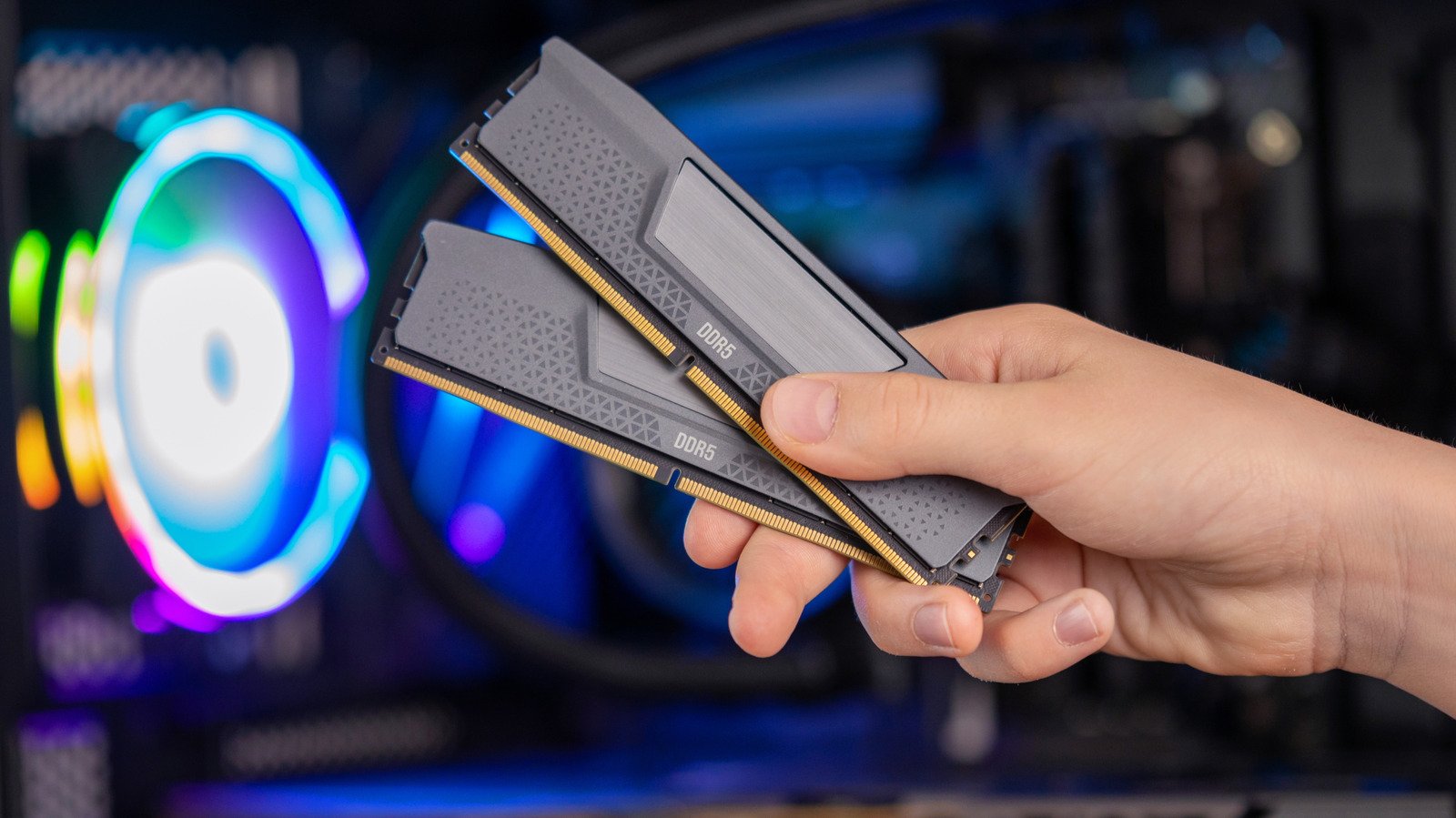

The extra 8GB costs $200 on the XPS 13, which is much cheaper than replacing the laptop.
If you were lucky enough to have fallen asleep around this time in 2019 and had just woken up this week, you might think that not much has changed in the laptop space. You’ll still see Dell’s XPS 13 with 8GB of RAM (though not 4GB, yet), with Apple’s cheapest MacBook offering the same amount. But once you see the price, you’d soon figure out that something went wrong.
Dell released its XPS 13 with 8GB of RAM and 512GB of storage at $699 this year, a price that has since gone up by $100 for the same specs. The $699 starting price is still available, but limits you to just 256GB of storage. Meanwhile, Apple’s MacBook Neo went from $599 to $699, along with a slew of other price increase in June.
TrendForce reckons that CPU, memory and storage now make up 68 percent of a mainstream laptop’s bill of materials, and expects that manufacturers will cut memory to preserve their margins next year. So you can expect more 8GB machines, not fewer. But don’t be tempted into buying one.
How 16GB became the baseline
8GB of RAM was the unofficial baseline for laptops until 2024. That May, Microsoft launched the Copilot+ PC program and issued a diktat that 16GB was now the minimum for any laptop sold under the label. That October, Apple doubled the base MacBook Air’s RAM from 8GB to 16GB without increasing its $999 price tag. Every new Mac from then on started at 16GB.
Then 2026 rolled around, and a rather gloomy TrendForce forecast estimated that the prices PC makers pay memory suppliers would increase by an extraordinary 90 to 95 percent in the first quarter alone. Apple released its MacBook Neo in March as the only current Mac with less than 16GB, and Dell’s 2026 XPS 13 was brought back (after a brief naming-related hiatus) with an 8GB base model.
Since 4GB is the bare minimum required for running Windows 11, the lowest-end Dell XPS 13 model technically has twice what it needs. But when we tested the base model in our Dell XPS 13 (2026) review, we found that 80 percent of its memory was already committed to invisible processes right after Windows booted. Launching a browser and filling it with tabs pushed that usage to 95 percent, meaning that scrolling, switching windows and just about all regular use had minor hiccups. Further testing found that the midrange Dell XPS 13 is the one you’ll actually want: with 16GB of RAM, it scored about 30 percent higher in PCMark 10 and lasted an hour and 44 minutes longer in the same battery test.
The XPS 13’s Core 5 320 is part of Intel’s budget Wildcat Lake line, which has a single memory channel rather than the two on Intel’s pricier Panther Lake chips. Thus, the processor and integrated graphics share one narrow path to that 8GB.
Why laptop makers are cutting RAM
Normally, memory and storage account for roughly 15 percent of what it costs to build a laptop, according to TrendForce, which projected that share would pass 30 percent at the start of 2026. An analyst at market tracker OpenBrand told Consumer Reports late last year that manufacturers would “slide in” lower-spec models to hold onto familiar price points like $599 and $799, which is more or less what’s happened.
Samsung estimated its third-quarter operating profit at 107.4 trillion won, or about $80 billion, its fourth record quarter in a row. Analysts cited by The Korea Times put around 110 trillion won of that down to memory alone, implying the rest of Samsung lost money. Meanwhile, Micron wound down Crucial, its consumer RAM and SSD brand, in February to redirect supply to “larger, strategic customers” as AI data center demand took off. Those data centers are the main reason why RAM prices are so high right now.
Is the 16GB upgrade worth it?
Dell charges $200 to take the XPS 13 from 8GB to 16GB, bringing it to $899 if you stick with the base 256GB of storage. That’s a lot for another 8GB of memory, but you only get to decide once, and our review determined that everyone but the most casual users should pay for it. Apple’s Neo doesn’t give you that choice. The cheapest Mac laptop with 16GB is now the $1,299 M5 MacBook Air, which is $300 more than the 16GB M2 Air cost in late 2024. However, the M5 Air comes with twice the baseline storage compared to the M2.
MSI launched its Katana 15 HX C14 gaming laptop in August with an option for older DDR4 memory, while Framework now encourages DIY Edition buyers to bring their own RAM after raising its DDR5 prices by 50 percent. Laptops with memory slots let you start small and add more once prices fall. Last year’s 16GB models are worth a look while stock lasts, too.
Acer chairman and CEO Jason Chen expects PC prices to rise another 5 to 20 percent before the end of the year and peak in the first half of 2027, according to TechSpot. He accused memory makers of exaggerating how long the shortage is going to last to shield margins, while TrendForce expects brands to struggle to hold onto prices, specs and profits all at once next year. Even the more optimistic forecasts have laptops getting more expensive before they get cheaper again; an 8GB laptop bought today will still have 8GB when they do.
Source link