
What fiction do you feel best represents caregiving?
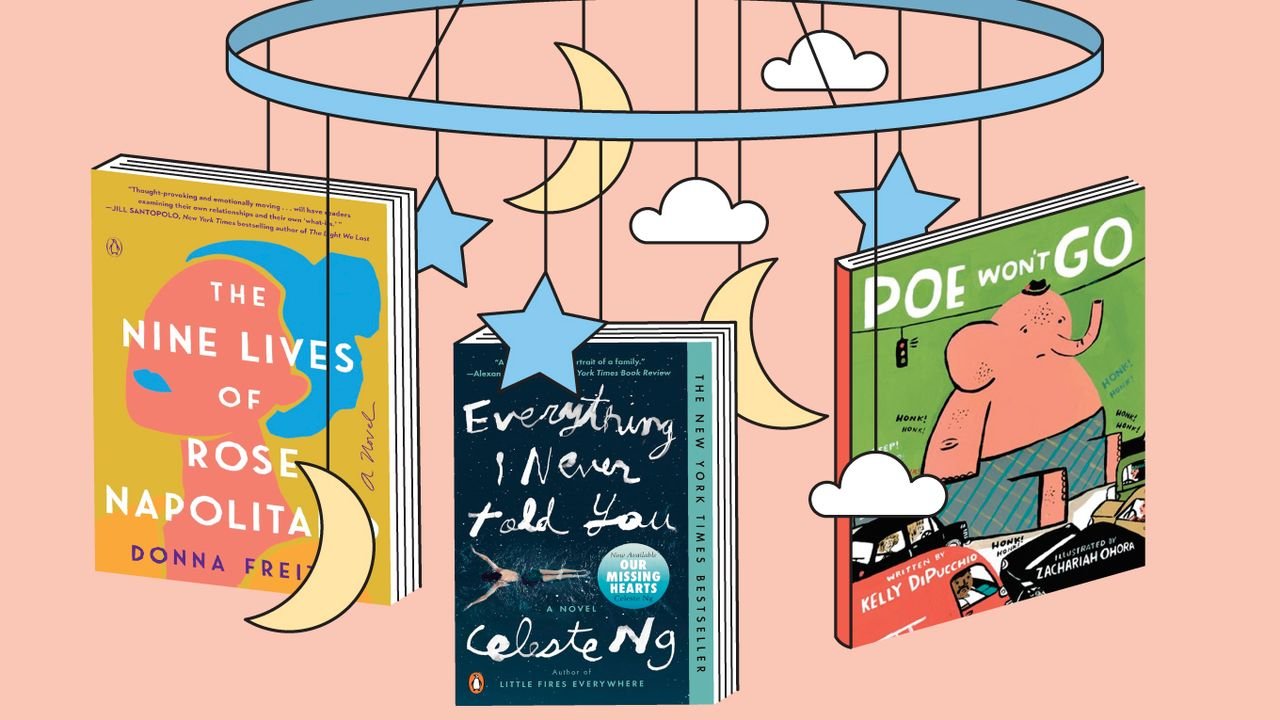
Kennedy: “Everything I Never Told You,” by Celeste Ng. This book captures what strikes me as one of the central problems of parenting: I can love my child deeply, and my own stuff can still prevent me from seeing them clearly. We bring our own histories, fears, hopes, and unmet needs into parenting, often without realizing it. The tragedy in this book is an extreme version of what can happen when the child we think we know and the child actually living in front of us become too far apart.
What is your favorite book to read with your kids?
Oster: Easily the “Ramona” books, by Beverly Cleary, which resonate completely with kids and adults. My children are old now, but, every now and then, one of them will still bring up the time that Ramona “boing-ed” Susan’s curls. (Sidenote: When you are tired of reading out loud, Stockard Channing narrates the audiobooks.)
Kennedy: For younger kids, “Poe Won’t Go,” by Kelly DiPucchio. I love this book because it shows the power of understanding. Understanding bad behavior isn’t condoning it; understanding is often a precondition for actually changing behavior. And I love that it’s a child who ultimately solves the town’s problem—only the child sees what all the adults miss. Kids are incredibly curious and creative, and this book puts that on full display. Plus, it’s super fun to read out loud.
For older kids and teens, “Killers of the Flower Moon,” by David Grann. My son would say this is one of his favorite books, and I love giving older kids books that don’t underestimate them. It reads like a gripping mystery, but it also exposes them to a part of American history they may know very little about and raises big questions about power, greed, justice, and whose stories get told. I love a book that a teen-ager genuinely can’t put down, wants to talk about, and which makes them also realize, Wait, this actually happened.
Do you have a preferred evergreen parenting guide from an earlier era?
Kennedy: “How to Talk So Kids Will Listen and Listen So Kids Will Talk,” by Adele Faber and Elaine Mazlish. I love how practical and sensible this book is. It takes kids and their feelings seriously while still recognizing that parents are parents. So much of the advice holds up remarkably well decades later. I also love their book “Siblings Without Rivalry.”
Oster: “Dr. Spock’s Baby and Child Care,” the 1985 edition. “You know more than you think you do,” the book’s mantra, is the antithesis of a lot of what we now hear online, which is closer to “You’re definitely messing this up.” There are some parts where the science has changed, but, for over-all vibes, Spock wins.

Our editors and critics choose the most captivating, notable, brilliant, surprising, absorbing, weird, thought-provoking, and talked-about books. Find your next great read »
Source link